Stockholms Lokaltrafik
Transforming the SL app into a seamless ticketing solution by shifting habits
Role
Research, Strategy, UX/UI Designer
Duration
3 weeks
Hyper Island Team
Zheng Joo, Oli Hall, Massinisa, Ann and Ed
Outcomes
Redesigned the SL app to improve trust and user adoption, shifting ticket purchases from offline agents to the app via a seamless, mobile-first experience.
Overview
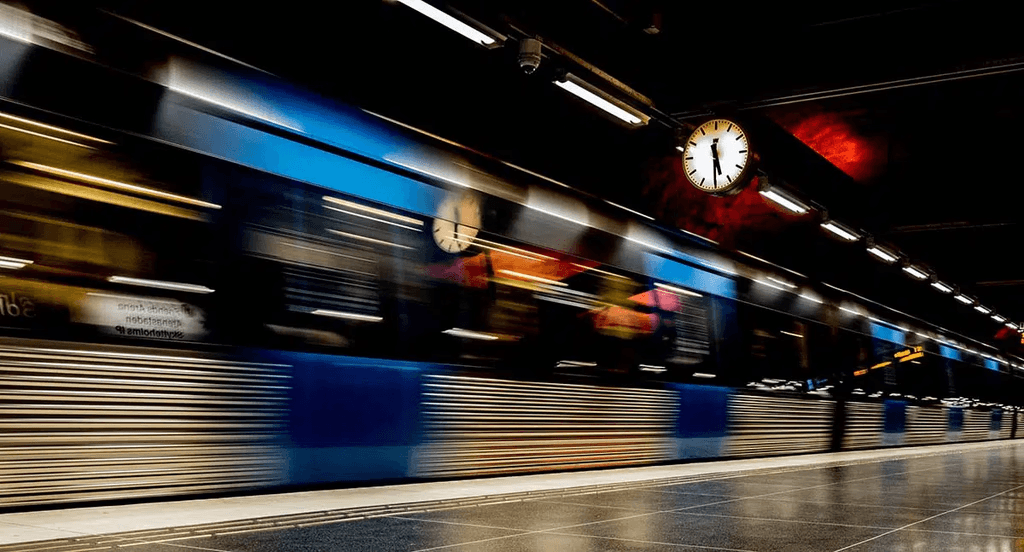
Stockholm Public Transport (SL) aimed to transform their app into the primary tool for buying tickets and planning journeys, shifting user habits from relying on agents to using the app as their main ticketing channel.
The goal was to convert 2 out of 10 travelers who currently purchase tickets through agents into consistent app users by addressing frustrations, building trust, and creating a seamless experience that fits naturally into the public transport journey for both new and existing customers.
The Challenge
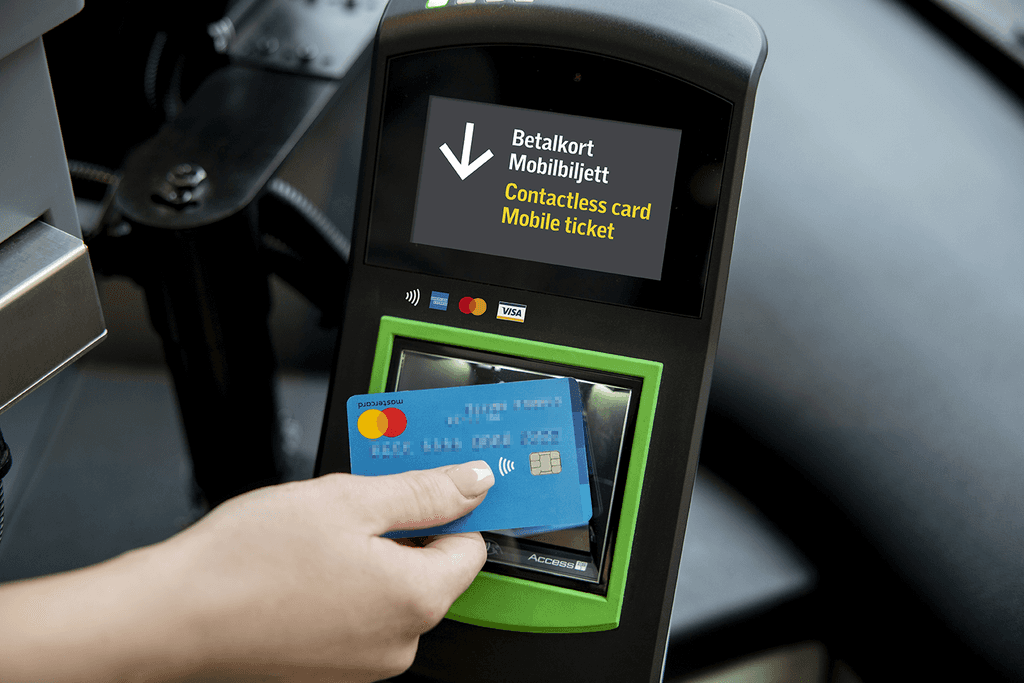
How might we reduce reliance on agents and convert 2 out of every 10 ticket buyers into consistent app users?
Through research, I identified core issues: confusing ticket flows, technical glitches, and missing features eroded trust and consistency, even among app users.
The needs of the project,

Build Confidence in the app

Design centered for both new and existing SL customers

Address customer's habitual behaviours of using agents to top-up tickets.
The core problem
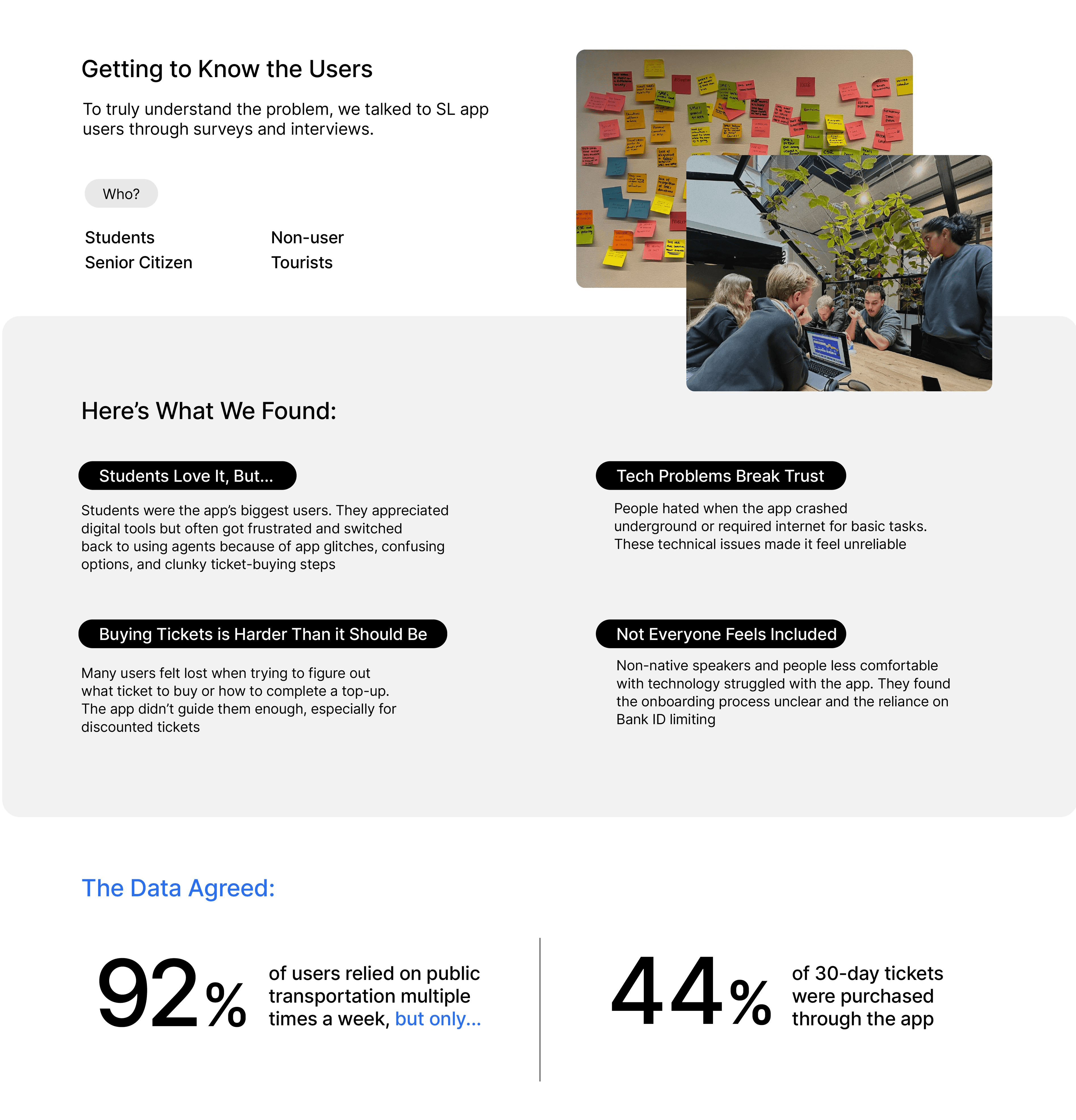
Even though students and others users were already familiar with. the SL app, it wasn’t somethigng they could trust or stick with. Confusing ticket-buying steps, technical glitches, and missing features meant people used it inconsistently or gave up on it entirely.
Research Methodology
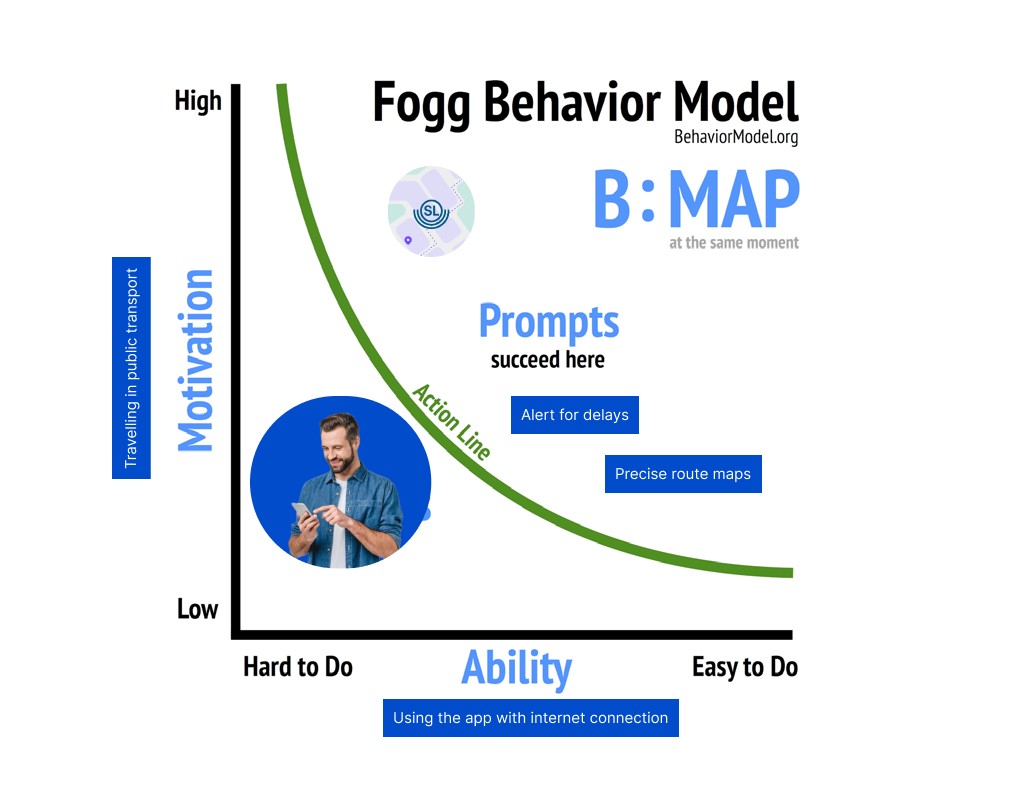
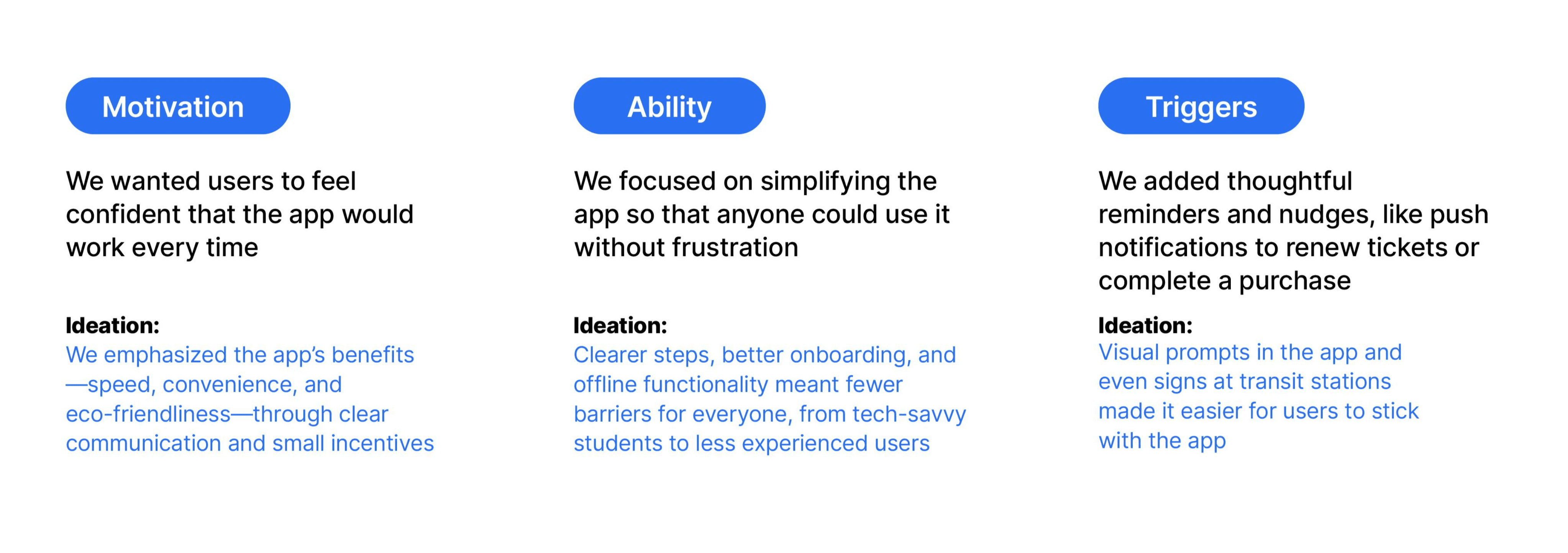
Guided by the Fogg Behavior Model (FBM), the research focused on designing for behavioral change, making the app intuitive, reliable, and habitual.
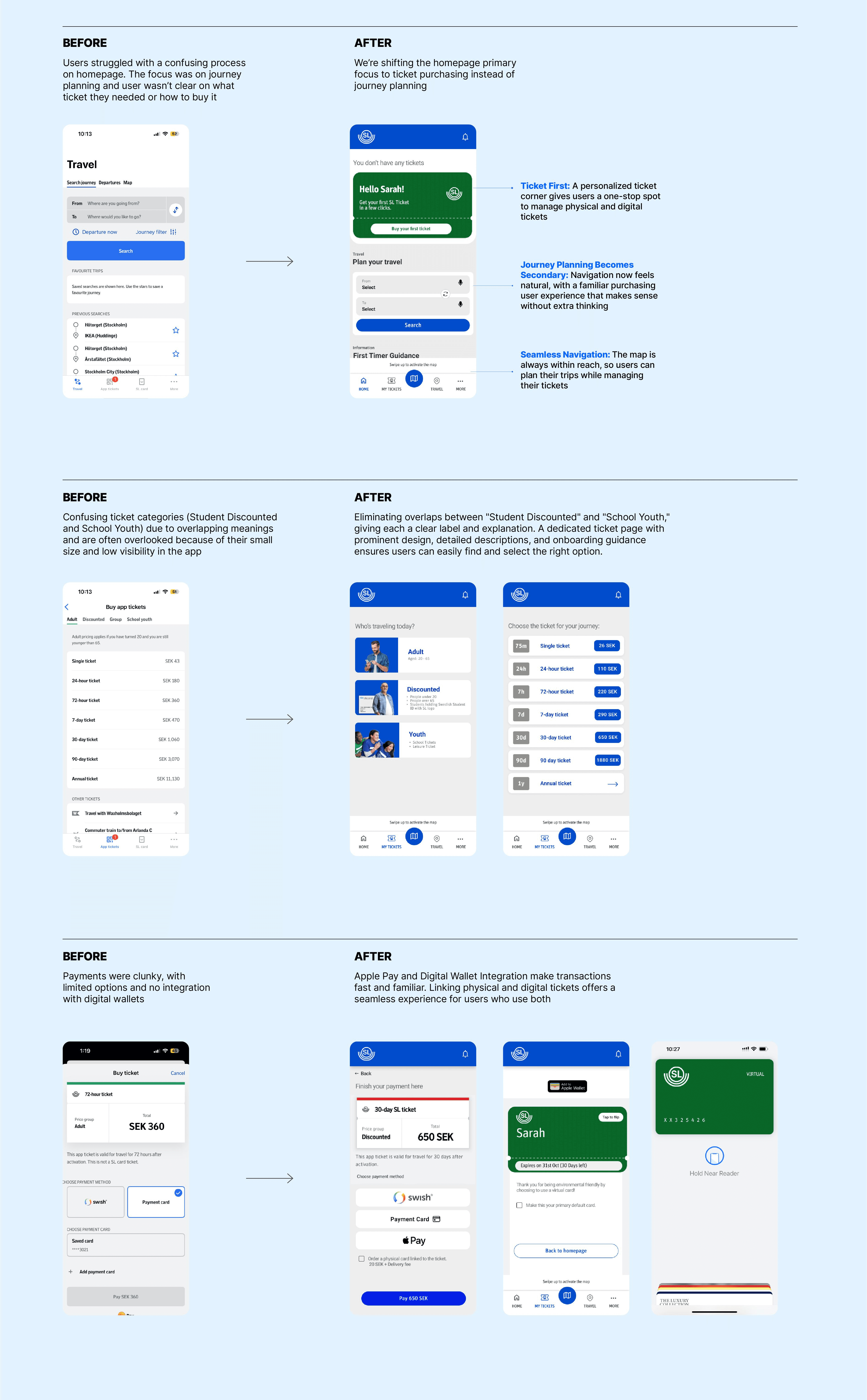
The solution
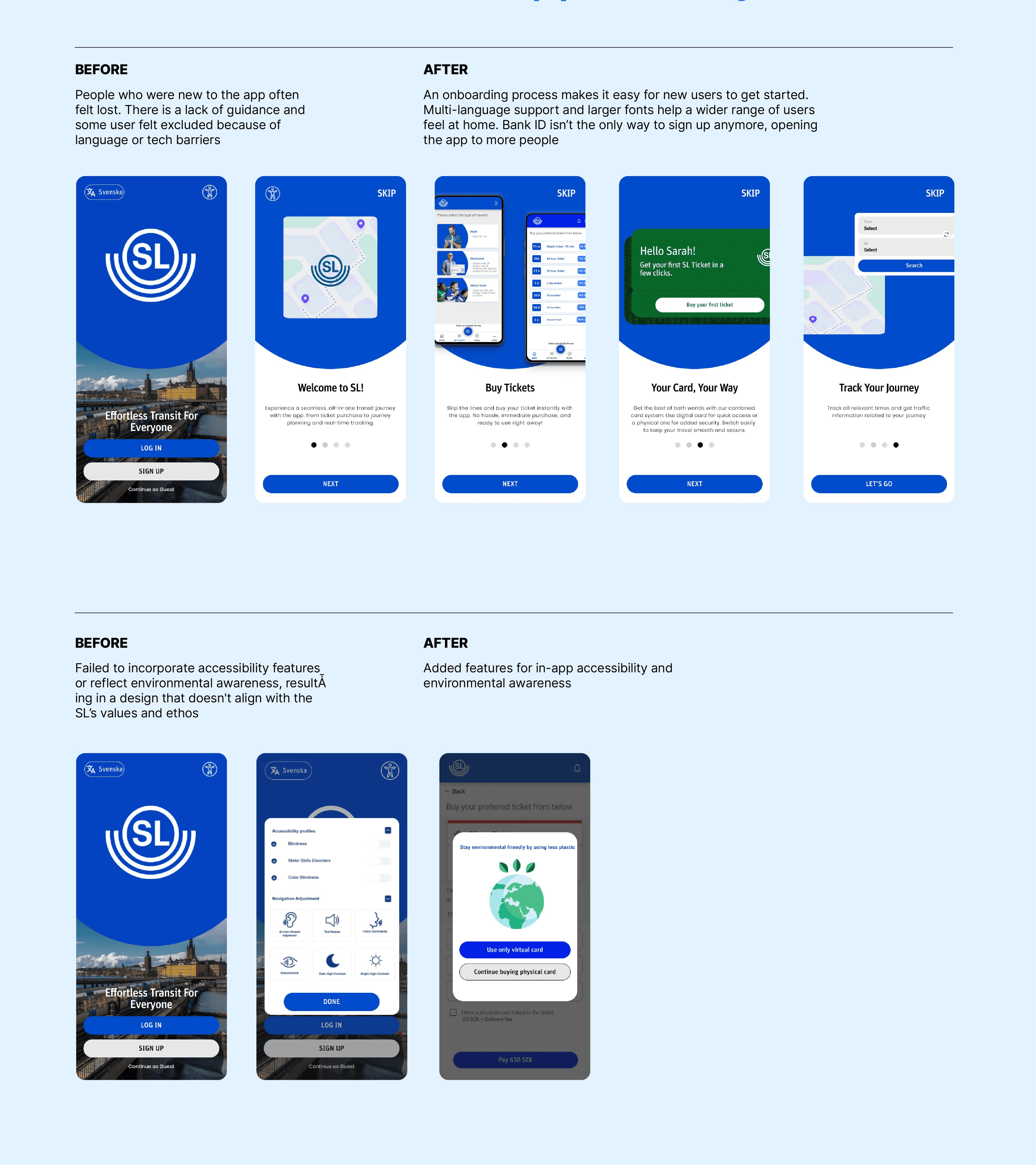
New Users get the support they need
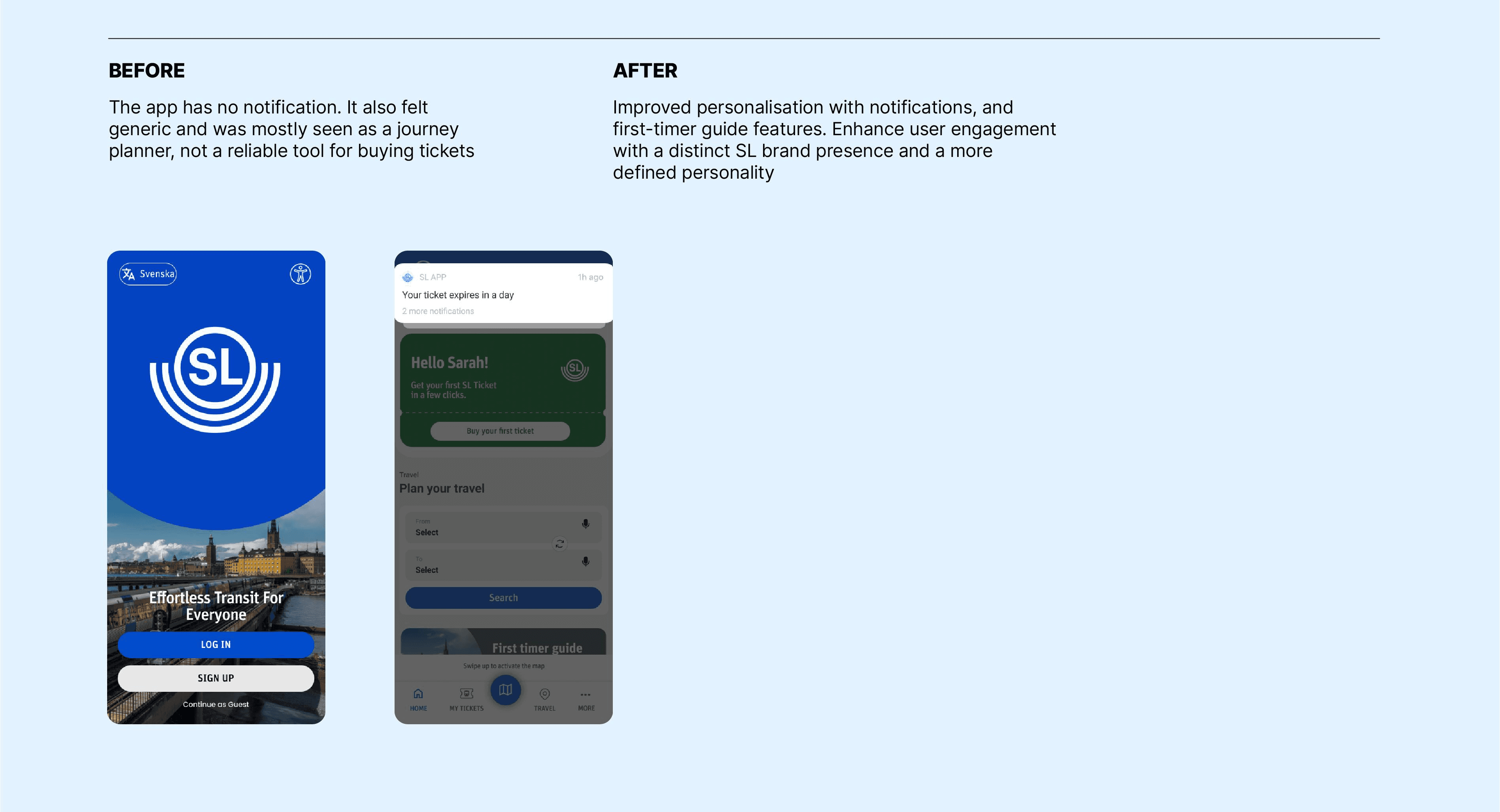
The app Feels and act like SL
User Testing
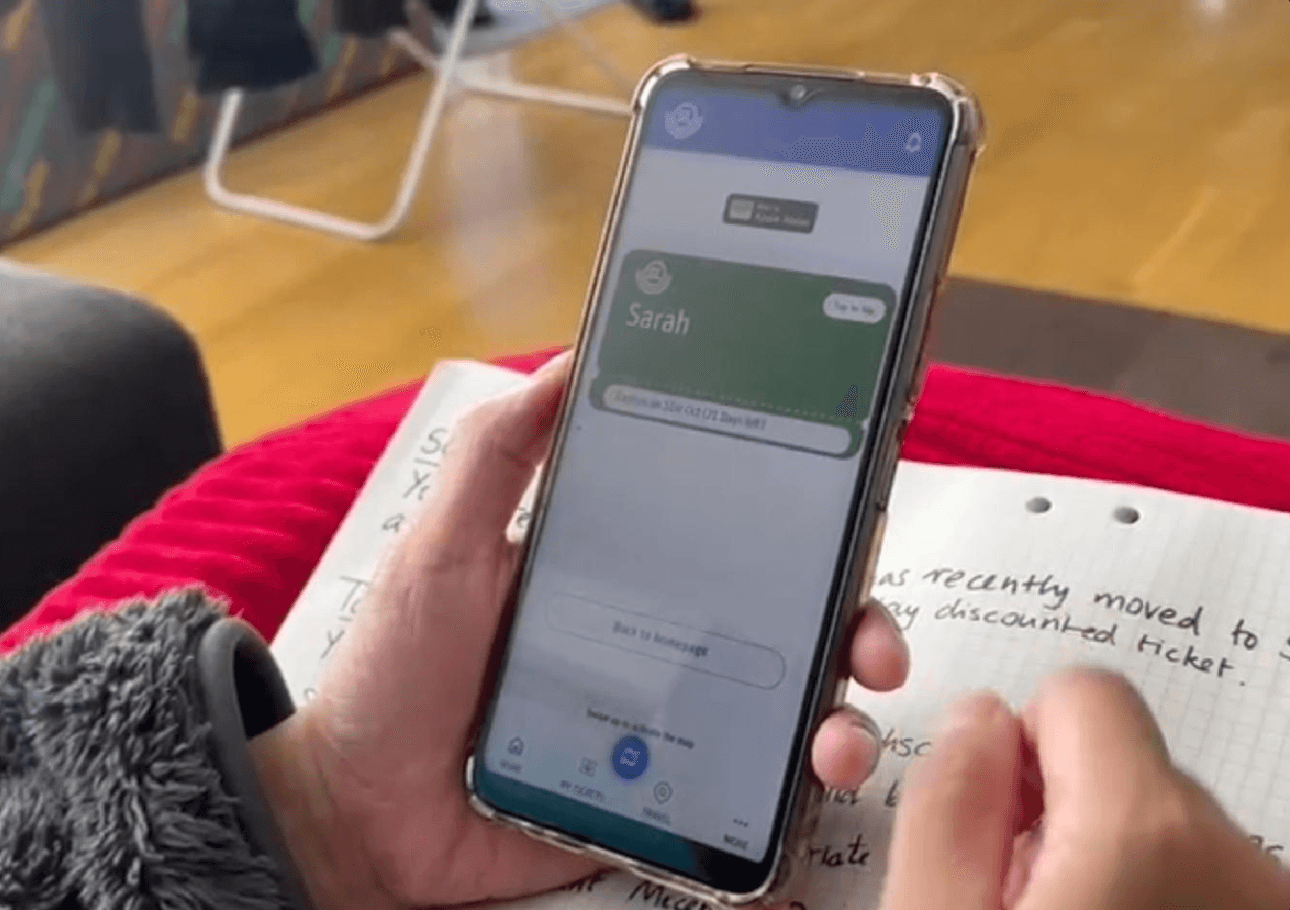
Task: Purchase a 30-day discounted ticket as a student using the app
100% Task Completion
27%
error rate
Reflections and learnings
This project taught me that effective design is about shaping behavior, not just aesthetics. I learned:
Understanding user habits - age, tech comfort, preference, is critical to redesigning trust
Pitching a design isn’t a one-sided presentation, but a collaborative co-creation
Solutions must balance desirability, feasibility, and viability to truly succeed
As this was my first pitch presentation, I learned that pitching isn’t about selling an idea, it’s about co-creating one. It’s a conversation, not a performance.
I also began to appreciate the business lens of design - desirability, feasibility, and viability must work together. A strong idea only succeeds when it resonates with users, can be built sustainably, and aligns with business goals.
OTHER PROJECTS
Role
Research, Strategy, UX/UI Designer
Duration
3 weeks
Hyper Island Team
Zheng Joo, Oli Hall, Massinisa, Ann and Ed
Outcomes
Redesigned the SL app to improve trust and user adoption, shifting ticket purchases from offline agents to the app via a seamless, mobile-first experience.
Transforming the SL app into a seamless ticketing solution by shifting habits
Overview
Stockholm Public Transport (SL) aimed to transform their app into the primary tool for buying tickets and planning journeys, shifting user habits from relying on agents to using the app as their main ticketing channel.
The goal was to convert 2 out of 10 travelers who currently purchase tickets through agents into consistent app users by addressing frustrations, building trust, and creating a seamless experience that fits naturally into the public transport journey for both new and existing customers.
The Challenge
The core problem
Even though students and others users were already familiar with. the SL app, it wasn’t somethigng they could trust or stick with. Confusing ticket-buying steps, technical glitches, and missing features meant people used it inconsistently or gave up on it entirely.
Guided by the Fogg Behavior Model (FBM), the research focused on designing for behavioral change, making the app intuitive, reliable, and habitual.
How might we reduce reliance on agents and convert 2 out of every 10 ticket buyers into consistent app users?
Through research, I identified core issues: confusing ticket flows, technical glitches, and missing features eroded trust and consistency, even among app users.
The needs of the project,
Research Methodology
Build Confidence in the app
Design centered for both new and existing SL customers, with a focus on those still relying on agent-based ticketing.
Address customer's habitual behaviours of using agents to top-up tickets.
The Solution
New Users get the support they need
The app Feels and act like SL
User Testing
Task: Purchase a 30-day discounted ticket as a student using the app
100% Task Completion
27%
error rate
The solution
This project taught me that effective design is about shaping behavior, not just aesthetics. I learned:
Understanding user habits - age, tech comfort, preference, is critical to redesigning trust
Pitching a design isn’t a one-sided presentation, but a collaborative co-creation
Solutions must balance desirability, feasibility, and viability to truly succeed
As this was my first pitch presentation, I learned that pitching isn’t about selling an idea, it’s about co-creating one. It’s a conversation, not a performance.
I also began to appreciate the business lens of design - desirability, feasibility, and viability must work together. A strong idea only succeeds when it resonates with users, can be built sustainably, and aligns with business goals.